DNA Sequencing and Interpretation

Geogenomics focuses on DNA sequencing and molecular microbiology at a time when the oil and gas industry is increasingly turning to these methods and this expertise for its problem solving.

Geogenomics was founded in 2019 in response to increasing requests from the energy sector for expert DNA sequencing and interpretation. Geogenomics meets a need for innovative and alternative approaches for microbial analysis in response to various industrial or environmental challenges and opportunities.

Focused Targeting of Client Needs

Clients that have approached geogenomics include:

  • Oil companies working in offshore oil production with questions about reservoir souring, microbially influenced corrosion (MIC), and overall flowline integrity

  • Oil companies requiring additional layers of seabed data collection as part of de-risking deep water offshore exploration

  • Exploration companies performing single- and multi-client surveys that are interested in sub-contracting DNA-based mapping of prospective areas

  • Oil companies wanting to characterise soil microbiology to look for microbial signatures that can help engineers design well placement plans

  • Service companies performing water testing for oil industry clients that are interested in sub-contracting DNA testing to help achieve better microbial control

Our Team

Companies have approached the Geogenomics team based on our track record and international reputation.

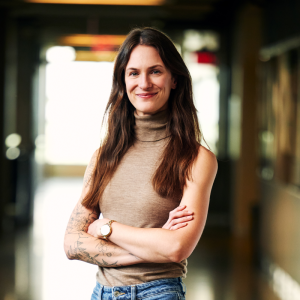
Casey Hubert
CSO / Founder

Casey Hubert has worked in petroleum and environmental microbiology since 1998, leading projects and partnerships involving the microbiology of soils, marine sediments, oil field infrastructure and subsurface oil reservoirs. His experience spans internationally recognized institutions, including the Max Planck Institute for Marine Microbiology in Germany, and Newcastle University’s School of Civil Engineering and Geosciences.

In 2014, Casey established the Geomicrobiology Group in the University of Calgary’s Department of Biological Sciences. The Geomicrobiology Group has trained numerous students and post docs via diverse research collaborations and transdisciplinary partnerships. Casey’s work has advanced the application of microbial genomics to geoenergy and environmental systems and has been published in leading scientific journals, including Science, Science Advances, Nature Communications, The ISME Journal and PNAS.

Geogenomics was founded in 2019 as an extension of the Geomicrobiology Group in response to growing demand from the geoenergy sector for specialized DNA sequencing and microbial data analysis services capable of addressing complex environmental and industrial challenges.

Chantel Furgason
Environmental Microbiologist

Chantel Furgason is an environmental microbiologist with eight years of experience studying microbial communities in energy and reclamation environments. Her PhD from the University of Calgary focused on oil sands microbiology and tailings remediation in an end-pit lake. This used various marker genes to characterize bacterial, phytoplankton, and protist communities to assess ecosystem function and integration with the surrounding watershed. This research was published in Environmental Microbiome.
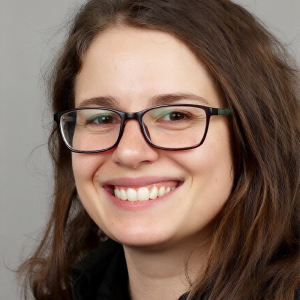
Chantel’s laboratory expertise includes DNA extraction from challenging environmental samples, PCR-based applications, DNA sequencing, stable isotope probing, and other method development. In addition to reclamation, her work has investigated microbial communities in salt caverns being developed for energy storage, and microbial communities associated with oil field biofouling, corrosion and souring.
Chantel joined Geogenomics in 2026, where she applies advanced molecular and microbiological techniques to support client projects in the energy and environmental sectors.

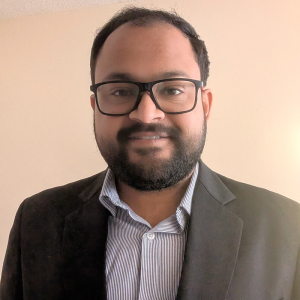
Anirban Kundu
Metagenomics Scientist

Anirban Kundu is a Scientist at Geogenomics whose work integrates metagenomics, biogeochemistry, and microbiology to address challenges related to microbially influenced corrosion and the emerging hydrogen geoenergy sector. His research combines advanced bioinformatics, biomarker discovery, and digital PCR-based testing to better understand and monitor complex microbial systems.

Originally trained as a biochemical engineer, Anirban earned a PhD in Environmental Engineering from McGill University, where he developed bioremediation solutions for diesel-contaminated soils. In addition to his research experience, he has advised clients, including Fortune 100 companies, on climate and biodiversity risk, corporate sustainability strategy, climate policy readiness, and stakeholder engagement. His professional affiliations and collaborations have included organizations such as Google, XPRIZE, and the Intergovernmental Panel on Climate Change (IPCC).
Anirban’s research has been published in leading journals, including Environmental Science & Technology, Journal of Hazardous Materials, and Science of the Total Environment. He joined Geogenomics in 2026.

Deidra Ferguson
Sequencing Technologist

Deidra’s passion for molecular microbiology and DNA sequencing drives her work in characterizing microbial communities from diverse environmental samples. Motivated by a curiosity to understand “who is there,” she operates Illumina MiSeq and NextSeq sequencing platforms to generate high-quality data that Geogenomics clients rely on for decision-making.
Deidra holds a B.Sc. in Environmental Science (Geology concentration) and an M.Sc. in Environmental Microbiology from the University of Calgary. Her graduate research, published in Marine Pollution Bulletin, focused on microbial ecology, environmental baseline characterization, environmental effects monitoring, and the fate of petroleum in deep-sea environments. Her research on contaminated soil from the world’s northernmost oil-producing well on Ellesmere Island, conducted in collaboration with the Geological Survey of Canada, was published in Science of the Total Environment.
Over the past decade, Deidra has developed extensive expertise in isolating DNA from challenging low-biomass samples from harsh environments. Since joining Geogenomics in 2024, she has supported laboratory operations including sample processing, DNA extraction, PCR and digital PCR workflows, and amplicon and metagenomic sequencing. Deidra applies molecular methods troubleshooting expertise to ensure the successful processing of complex environmental samples.

Media

Using bacteria to clean up oil

Sustainable Energy takes a look at how researchers in Canada are looking to clean up oil.

Reducing the Risk

A ground-breaking project is using genomics to track microorganisms that cluster in areas where petroleum seeps from under the seafloor. Combining genomics with geology could paint a clearer picture of petroleum deposits in Nova Scotia’s offshore.

“We assess problems and opportunities related to microorganisms. Geogenomics performs high quality DNA sequencing on challenging geological samples using combinations of tools and strategies in geomicrobiology, molecular biology and genomics. ”

CASEY HUBERT, CSO / Founder